The Fossil Hunter's Story
Mary Anning's contributions to paleontology were revolutionary. As a self-taught scientist in the early 19th century, she challenged the scientific establishment with meticulous observations of the Jurassic Coast.
Her discovery of the first complete Ichthyosaur in 1821 was a landmark moment in the history of science. By meticulously documenting the anatomy of these ancient marine reptiles, she provided the first clear evidence of their evolutionary lineage.
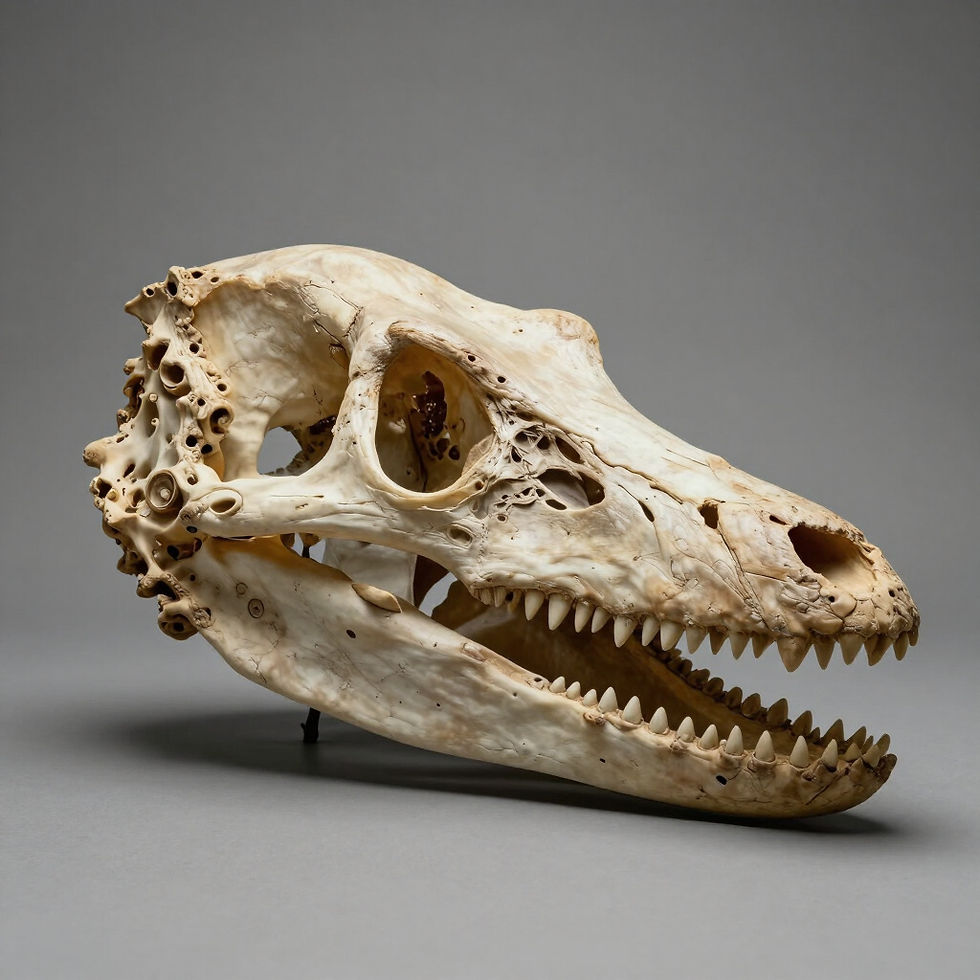
Her work on Plesiosaurs further expanded the understanding of prehistoric life. Despite facing significant gender bias in a male-dominated field, Anning's dedication to the study of fossils led to the naming of numerous species in her honor.
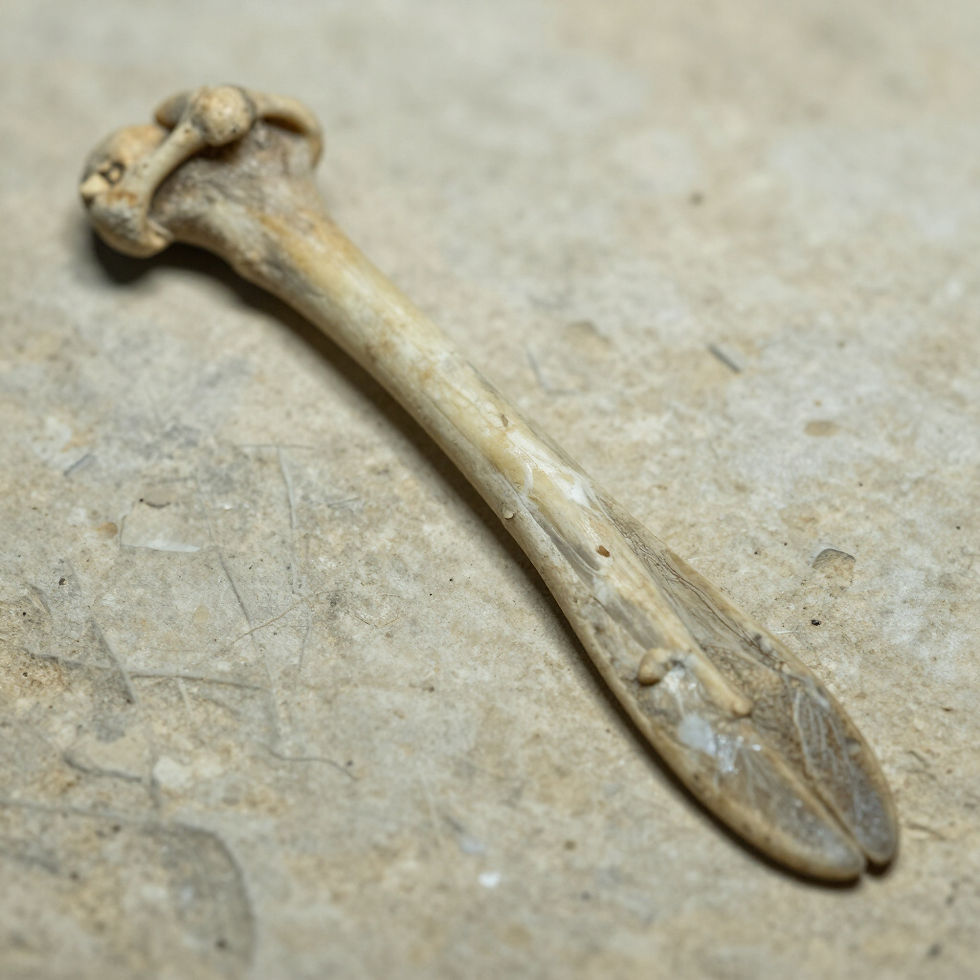
Today, her legacy is celebrated not only in scientific circles but also in the world of art. Mary Anning's story is a testament to the power of curiosity and the enduring value of preserving the history of our planet.
Key Discoveries
1799
Ichthyosaur
The first complete fossil of an ichthyosaur was unearthed by Mary Anning in Lyme Regis. This discovery provided crucial evidence for the existence of marine reptiles during the Mesozoic era.
1801
Plesiosaur
Anning discovered the first complete plesiosaur fossil, a giant marine reptile with a long neck and four flippers. This find was pivotal in understanding the evolution of aquatic vertebrates.
1811
Ichthyosaur
Her third major discovery was another ichthyosaur fossil. These findings collectively established the scientific significance of the Jurassic Coast and the fossil record of marine life.
1823
Ichthyosaur
Through meticulous excavation and study, Anning provided the first detailed anatomical descriptions of these marine reptiles, laying the groundwork for modern paleontology.